giovedì 4 ottobre 2007

Une situation dramatique à Gaza

Ziad Medoukh ziadmedoukh@hotmail.com, 04/10/07. C'est difficile pour un Palestinien de Gaza qui a l'habitude de dénoncer les crimes de l'occupation contre son peuple, de décrire la situation actuelle dans la Bande de Gaza qui est devenue dramatique sur tous les niveaux avec des conséquences très graves sur toute la population. Malgré tous les critiques de l'ancienne autorité de Gaza, les manifestations n'ont jamais été interdites et la liberté d'expression a été assurée. La corruption au sein de l'autorité palestinienne n'autorise pas le Hamas à pratiquer le meurtre pour défendre son pouvoir et à prendre le contrôle de la bande de Gaza, -quelles que soient la corruption et l'anarchie pratiquées par l'appareil du Fatah au passé,- parce que la situation devient trop dangereuse pour être réglée d'une manière aussi insensée.

En général, les conditions de vie sont inhumaines à Gaza et le désespoir total règne à Gaza surtout chez les jeunes qui ont perdu la confiance en leur partis politiques et en l'avenir car ils pensent que ces partis politiques ont oublié la cause palestinienne pour réaliser leurs propres intérêts.

La seule perte à Gaza est la résistance, voire solidarité sociale et l'espoir

Une autre perte très importante, le recul de la cause palestinienne au niveau international, la solidarité internationale qui a participé à faire connaître notre cause partout dans le monde, les solidaires qui viennent pour manifester à Bilin, qui cueillent les olives dans les villages palestiniens nous sommes en train de les perdre à cause de l'égoïsme de nos responsables, on a besoin des décennies pour essayer de revenir cette solidarité presque perdue.

Les Palestiniens connus par leur détermination et leur force, sont devenus tellement déchirés. Ils sont devenus les victimes de leurs divisions devant l'absence et la complicité de la communauté internationale. Mais malgré toutes les difficultés, les mesures israéliens et la situation inter palestiniens, les Palestiniens n'abandonneront jamais leur lutte pour la Paix, car la Palestine est devant un grand projet pour la liberté et la paix.

Bachar El-Assad, Un type adulte et responsable

Gideon Levy, Haaretz, 02.10.07. Bachar El-Assad qui a accordé hier une interview à la BBC dans un anglais plus riche que celui de Tzipi Livni – qui a justement récité, elle, encore un discours devant l’Assemblée générale des Nations Unies – s’est révélé au téléspectateur israélien comme un président mesuré, intelligent, au langage posé. Peut-être une façade, peut-être une réalité. Mais nous, téléspectateurs israéliens incultes, avons immédiatement besoin des paroles pleines de sagesse des « commentateurs sur les questions arabes » pour nous expliquer ce que nous avons entendu. Pourquoi faut-il des commentaires sur des paroles claires ? Parce que c’est un dirigeant arabe qui les a prononcées. Pour le discours de Livni aux Nations Unies – collection de clichés d’une parfaite vacuité, du genre : « Un Etat palestinien prospère et stable est dans l’intérêt d’Israël » – nous n’avons pas besoin de commentaires. Au lieu de toute cette propagande, pourquoi les commentateurs ne nous exposeraient-ils pas quelques faits concernant la Syrie, dont nous savons si peu. Qu’on y trouve de meilleures routes que notre route de l’Arabah, comme l’a rapporté Ron Ben Yishai de retour de là-bas, ou qu’il y a 26 champs d’aviation, un million et demi d’internautes en 2006, cinq millions de téléphones portables, une moyenne de 3,3 enfants par famille et une espérance de vie de 70 ans. C’est plus intéressant que tous les commentaires sur ce qu’Assad a dit et n’a pas dit.

Premier d’entre tous ces bienfaiteurs, il y avait comme d’habitude Ehoud Yaari : « Son comportement est plus mûr et plus responsable… Assad est un type adulte et responsable », a dit Yaari parlant d’un président en fonction depuis sept ans. Le « mentor » d’Assad est malade, le beau-frère d’Assad est « un voyou dépravé », tout comme le frère du Président, « un voyou dépravé comme lui, tous trois sont des généraux ». A-t-on jamais parlé ainsi, chez nous, de nos généraux ? Peut-être avons-nous, nous aussi, des « voyous dépravés » ? Quelqu'un osera-t-il le dire à la télévision ? Notre Premier ministre débutant dispose-t-il de quelqu'un qui ait jamais mérité le titre de « mentor », comme s’il était un adolescent en pleine période de maturation ? Dit-on d’Ehoud Olmert qu’il est « quelqu'un de mûr et de responsable », comme dirait un enseignant lors d’une réunion de parents ?

Une partie des titres ont aussi annoncé qu’ « Assad ne se rendra pas à la Conférence sur la paix ». Assad n’a pas dit cela. Il a explicitement dit que si la Conférence était « essentielle et concrète » il y participerait mais qu’il n’en comprenait pas la visée. Qui la comprend, au juste ? Chico Menashe : « D’une façon presque surprenante, une interview très modérée, à l’encontre des déclarations belliqueuses des derniers mois ». Mais justement, Assad manifeste de l’esprit de suite : cela fait longtemps qu’il dit que ce n’est qu’au cas où les efforts de paix n’aboutiraient pas, qu’il se tournerait vers la guerre. Est-ce là une « déclaration belliqueuse » ?

Alon Ben David sait, lui, qu’Assad est « modéré jusqu’à la faiblesse ». C’est bien sûr ce que lui ont dit les experts de l’armée israélienne. Il suffit, pour trahir de la faiblesse, de ne pas se comporter comme eux qui tuent une dizaine de Palestiniens pour chaque roquette Qassam. Israël est fort. Peut-être y a-t-il de la force dans la retenue ? Mais pas dans nos standards à nous. Haïm Yavin : « Les méandres d’Assad ». Quels méandres ? La réponse israélienne à ses propositions de paix était infiniment plus tortueuse. Seul à se montrer modeste et réfléchi parmi les commentateurs, Oded Granot a osé, selon son habitude, énoncer la vérité simple : Assad a parlé avec bon sens. « Je suis d’accord avec les paroles d’Assad », a-t-il dit.

Au lieu de toute cette propagande, pourquoi les commentateurs ne nous exposeraient-ils pas quelques faits concernant la Syrie, dont nous savons si peu. Qu’on y trouve de meilleures routes que notre route de l’Arabah, comme l’a rapporté Ron Ben Yishai de retour de là-bas, ou qu’il y a 26 champs d’aviation, un million et demi d’internautes en 2006, cinq millions de téléphones portables, une moyenne de 3,3 enfants par famille et une espérance de vie de 70 ans. C’est plus intéressant que tous les commentaires sur ce qu’Assad a dit et n’a pas dit.

(Traduction de l'hébreu : Michel Ghys)

Source traduction : Palestine Solidarité
http://www.palestine-solidarite.org/analyses.Gideon_Levy.021007.htm

Meir Shalev: «Israele-Hamas, matrimonio d’interesse per un cessate il fuoco»

Umberto De Giovannangeli, l'Unità, 03.10.07. «Hamas non è guidato da Teheran ed è sempre attento a proclamare la sua identità: quella di un movimento di liberazione nazional-religioso che come tale è disposto a collaborare ad hoc con tutti coloro che condividono i medesimi interessi. Il suo radicamento nel territorio gli impone di adattarsi alle circostanze più che restare ancorato agli ideali originari, è soprattutto per questo che Hamas ha vinto le elezioni, non solo per il richiamo al verbo estremista. Ed è proprio per questa sua natura che Hamas continua a rappresentare un argine alla penetrazione nei Territori di una ideologia e di una pratica ben più pericolosa e devastante: quella di Al Qaeda. Una ragione in più per provare a celebrare questo «matrimonio d’interesse».

Trattare con Hamas. Senza precondizioni. Ricordando che in passato «abbiamo trattato con nemici molto più pericolosi» come fu l’Egitto prima di firmare la pace di Camp David. Trattare con Hamas. Un tabù infranto. A farlo sono i più grandi scrittori israeliani contemporanei, il cui appello pubblico rivolto nei giorni scorsi al primo ministro Olmert ha scatenato polemiche dentro e fuori Israele. Meir Shalev è uno degli undici firmatari dell’appello. All’Unità lo scrittore spiega le ragioni di questa iniziativa.
Trattare con Hamas. Per averlo ipotizzato, il ministro degli Esteri italiano D’Alema è stato accusato di fiancheggiare i terroristi.
«Amico dei terroristi: anche Rabin fu accusato di esserlo per aver osato stringere la mano al "capo dei terroristi", Yasser Arafat. Ma un grande statista è quello capace di andare controcorrente e sfidare, se è il caso, anche pregiudizi e senso comune. Non è chiedendo gli occhi di fronte alla realtà che riusciremo a costruire un futuro migliore».
Guardando al campo palestinese, qual è questa realtà alla quale Israele non deve voltare le spalle?
«È una realtà che dice che non si può mettere fuorilegge metà dei palestinesi. È una realtà che sottolinea come un accordo di pace per funzionare non può essere raggiunto con metà di un popolo. È una realtà che ammonisce sulle conseguenze disastrose, anche per gli interessi di Israele, dell’esplodere di una guerra civile generalizzata nei Territori. Con Hamas è necessario parlare non solo per liberare Ghilad Shalit (il giovane caporale israeliano rapito 16 mesi fa ai confini con la Striscia di Gaza, ndr.) ma per raggiungere un cessate il fuoco totale al fine di prevenire ulteriori sofferenze da entrambe le parti. Nel nostro appello (firmato tra gli altri anche da David Grossman e Abraham Bet Yehoshua, ndr.) abbiamo sostenuto, ricordato, che la pace si fa con i nemici».
Coloro che vi accusano di avventurismo sostengono che è improponibile parlare di trattativa con un nemico che dichiara esplicitamente che vuole la distruzione di Israele.
«Le stesse argomentazioni furono addotte per contestare, purtroppo non solo a parole, la scelta di Rabin di avviare una trattativa con i "criminali dell’Olp". In passato abbiamo trattato con nemici ben più pericolosi di Hamas: mi riferisco all’Egitto prima che firmasse la pace di Camp David. Con Hamas dobbiamo trattare un cessate il fuoco totale: non deve sbocciare un amore impossibile ma è possibile, quanto meno auspicabile, stringere un "matrimonio" d’interesse».
Trattare con Hamas. Ma con quale obiettivo?
«L’obiettivo è quello di un cessate il fuoco incondizionato. Se si ritiene che sia poca cosa, per favore lo si spieghi agli abitanti di Sderot martellati di continuo dal lancio di razzi Qassam dalla Striscia di Gaza. La fine degli attacchi da entrambe le parti porterà sicurezza ai cittadini del Neghev e diminuirà la sofferenza dei cittadini della Striscia di Gaza. Trattare con Hamas per raggiungere un cessate il fuoco è nell’interesse di Israele».
Ma potrebbe non esserlo per Abu Mazen.
«Non sono di questo avviso, anzi, ritengo che sia vero il contrario. Un cessate il fuoco con Hamas darebbe al processo politico maggiori possibilità di avere successo. Un successo che dipenderà molto da come Olmert intenderà muoversi in vista dell’incontro internazionale promosso a metà novembre dagli Usa. Nel nostro appello, non chiediamo a Olmert la luna, gli chiediamo di non perdere questa occasione e agire per giungere ad un accordo con il presidente Abu Mazen e i leader dell’Olp».
Domani (oggi per chi legge, ndr.) Olmert e Abu Mazen torneranno a incontrarsi. Il presidente palestinese insiste per giungere alla Conferenza con un accordo di principio tra Israele e Anp.
«Condivido questa esigenza perché sono convinto che l’incontro di novembre deve rappresentare un passaggio chiave per arrivare in un tempo ragionevolmente breve ad un accordo di pace globale tra noi e i palestinesi. A Olmert chiedo coraggio e lungimiranza. Spero che ne sia in possesso. Sui singoli punti di un compromesso sostenibile è già tutto scritto. Non è la fantasia progettuale a dover essere esercitata ma la volontà politica».
Vorrei tornare su Hamas. Perché dovrebbe essere interessato ad un cessate il fuoco?
«Perché Hamas è qualcosa di più complesso di un gruppo armato che fa della lotta ad oltranza contro Israele la sua unica ragion d’essere. Se fosse così non si spiegherebbe il successo elettorale ottenuto in elezioni libere meno di due anni fa. Sbaglia chi declina Hamas come uno dei tanti tentacoli della "piovra" jihadista in Medio Oriente. Hamas ha interesse ad allentare la pressione su Gaza e a porre fine all’embargo internazionale, perché solo così potrà mantenere in vita quella sorta di Welfare islamico che ne garantisce il radicamento sul territorio».
I contestatori di questa tesi affermano che Hamas non abbandonerà mai la lotta armata e la pratica terroristica perché è questa la linea imposta dal suo sponsor iraniano.
«Chi afferma questo commette un grave errore. Hamas non è guidato da Teheran ed è sempre attento a proclamare la sua identità: quella di un movimento di liberazione nazional-religioso che come tale è disposto a collaborare ad hoc con tutti coloro che condividono i medesimi interessi. Il suo radicamento nel territorio gli impone di adattarsi alle circostanze più che restare ancorato agli ideali originari, è soprattutto per questo che Hamas ha vinto le elezioni, non solo per il richiamo al verbo estremista. Ed è proprio per questa sua natura che Hamas continua a rappresentare un argine alla penetrazione nei Territori di una ideologia e di una pratica ben più pericolosa e devastante: quella di Al Qaeda. Una ragione in più per provare a celebrare questo «matrimonio d’interesse».

Marwan Barghouti: «Dopo il golpe a Gaza Hamas affronti le urne»

Davide Frattini, Corriere della Sera, 03.10.07. «È chiaro che le fazioni palestinesi non hanno compreso a fondo il valore della democrazia. La prova sta in quello che ha fatto Hamas. Bisogna costruire una cultura della democrazia, aprire un dialogo interno, rafforzare le istituzioni. Democrazia non significa solo votare alle elezioni, ma riconoscere la sovranità della legge e riuscire ad accettare le posizioni degli altri, senza voler imporre la propria egemonia. Il primo problema resta l'occupazione israeliana: deve finire perché i palestinesi possano realizzare uno Stato democratico».

GERUSALEMME — Cella 28, ala 3, prigione di Hadarim. «È il nuovo indirizzo della Mukata », ironizzano i vicini di carcere. Da qui è passato in visita il primo ministro Salam Fayyad, qui vengono per consultarsi il capo dell'intelligence Tawfik Tirawi o Akram Haniya, consigliere di Abu Mazen. Che della Mukata, il palazzo presidenziale, è l'inquilino ufficiale.
Dalla cella 28, Marwan Barghouti è riuscito a rimanere il leader palestinese più influente. Arrestato dagli israeliani nel 2002 e condannato il 6 giugno del 2004 — il giorno del suo compleanno — a cinque ergastoli, è chiamato Napoleone per la piccola statura e le grandi ambizioni. È lui che un anno fa ha elaborato il «documento dei prigionieri», un accordo tra il suo Fatah e Hamas, il testo che ha portato alla nascita del governo di unità nazionale. Il piano è andato in frantumi con la vittoria militare dei fondamentalisti a Gaza. «L'esecutivo formato assieme al Fatah— commenta — ha rappresentato un'occasione per Hamas. Il movimento avrebbe potuto rafforzare il suo ruolo nel mondo arabo e ottenere legittimità internazionale. Ma ha rovesciato il governo e ha commesso l'errore strategico più grave, da quando è stato fondato vent'anni fa. È la prima volta nella storia palestinese, che una delle fazioni realizza un colpo di Stato contro l'autorità legittima».
Lo Shin Bet lo considera «l'architetto del terrore » della rivolta scoppiata nel settembre 2000. Il laburista Benjamin Ben-Eliezer, ministro israeliano per le Infrastrutture, spinge invece perché venga rilasciato in uno scambio con Gilad Shalit, il caporale dell'esercito rapito nel giugno dell'anno scorso. «È il miglior interlocutore che possiamo avere per raggiungere un accordo di pace».
Nell'intervista — le risposte sono state dettate durante un incontro nel parlatorio della prigione con l'avvocato Elias Sabbagh — Barghouti spiega come i palestinesi possano tentare di uscire dalla crisi.
È possibile una riconciliazione tra Hamas e il Fatah?
«Prima Hamas deve restituire la Striscia di Gaza al controllo di Abu Mazen, garantire che non userà più la forza e la violenza, riconoscere il governo temporaneo indipendente e accettare le elezioni anticipate. Quando dico restituire, intendo tutto quello che hanno sottratto: palazzi, documenti, veicoli. Questo è il primo passo, perché i palestinesi non hanno altra scelta che la riconciliazione».
Ismail Haniyeh, premier deposto da Abu Mazen, ripete di rappresentare il governo legittimo, dopo la vittoria elettorale nel gennaio 2006.
«Nessuno nega che Hamas abbia ottenuto la maggioranza in parlamento. E' una parte importante del movimento palestinese.
Ma dopo il golpe a Gaza, la situazione è completamente cambiata. Hamas deve accettare il ritorno alle urne per vedere se la gente li sostiene ancora.
Sono sicuro che il Fatah vincerebbe».
In molti chiedono che il Fatah si riformi e soprattutto ringiovanisca.
«Dobbiamo rinnovare i nostri leader. Aprirci alle donne, ai giovani, ai docenti universitari. E dobbiamo chiederci quali errori abbiamo commesso a Gaza».
Teme che l'isolamento possa spingere Hamas verso Al Qaeda?
«Hamas si è isolato da solo, quando ha deciso di prendere il controllo della Striscia con la forza. Nessuno tra i palestinesi li sta isolando. Al contrario, il Fatah ha fatto sforzi enormi perché partecipassero alla vita politica».
Hanna Siniora, intellettuale e politico palestinese, ha detto: «Dopo quarant'anni sotto il dominio di Arafat, abbiamo dimostrato di non essere abbastanza maturi per condividere l'autorità ».
«È chiaro che le fazioni palestinesi non hanno compreso a fondo il valore della democrazia. La prova sta in quello che ha fatto Hamas. Bisogna costruire una cultura della democrazia, aprire un dialogo interno, rafforzare le istituzioni. Democrazia non significa solo votare alle elezioni, ma riconoscere la sovranità della legge e riuscire ad accettare le posizioni degli altri, senza voler imporre la propria egemonia. Il primo problema resta l'occupazione israeliana: deve finire perché i palestinesi possano realizzare uno Stato democratico».
Sempre Siniora ha sostenuto che lo scontro tra Hamas e Fatah segna la fine del progetto nazionale palestinese.
«È uno scontro distruttivo. Tutt'e due le fazioni stanno perdendo e la gente paga il prezzo. Hamas ha diviso la terra e spezzato in due l'autorità, così ha messo la nostra causa in pericolo. Ora deve rivedere la sua strategia e permettere la riunificazione».

ISRAEL-OPT: Gaza squeezed by steady decline in imports, closure threats


Photo: Mahmoud Daher/IRIN
Palestinian patients waiting at Erez Crossing in order to enter Israel for medical treatment. Due to tight Israeli restrictions, many patients are unable to pass or have great difficulties doing so, limiting their access to needed care
JERUSALEM, 3 October 2007 (IRIN) - The UN has expressed renewed concern over the state of the Gaza Strip's border crossings, saying that, if realised, the Israeli threat of increased restrictions would most likely lead to a humanitarian crisis in the impoverished enclave. "There is an immediate need for better efforts by all sides to increase the flow of supplies to at least basic humanitarian levels and to ensure that the crossings remain open so as many supplies as possible can get in," said Kirstie Campbell of the World Food Programme in the occupied Palestinian territories. "The one and half million people in Gaza need more than what's getting in right now."

"In the last three months, the arrival of 106 truckloads of supplies per working day has ensured that there has not been a humanitarian crisis among the Gazan population. This could not be guaranteed with increased restrictions on the border crossings," a recent statement by UN Office for the Coordination of Humanitarian Affairs (OCHA) said.

These truckloads contained mostly food products and other basic supplies, like soap and nappies.

However, before the mid-June internecine violence which culminated in Hamas seizing full control over the Gaza Strip, some 238 lorries were allowed into Gaza each day. Many of those lorries carried basic supplies, but also raw materials which are now banned.

Overall, some 3,190 trucks made it across during July, which was the highest of the last three months, compared to 5,814 in April.

Furthermore, statistics show a worrying decline recently even in the amount of basic supplies.

More on Gaza
Aid groups, UN protest Israeli sanctions move on Gaza
ISRAEL-OPT: World Bank says donors need long term plan for OPT
Missile from Gaza causes schools to close in Sderot
Weak Palestinian economy having direct humanitarian impact - UN official
Humanitarian aid to the Palestinians - walking the tightrope
Ban on truckloads of paper set to hit Gaza schools
Power shortages threaten sewage treatment
In the first week of July, for example, 774 commercial trucks and 61 trucks belonging to humanitarian organisations made it into Gaza. During the last week of the month 754 commercial and 138 humanitarian trucks got through.


However, the first week of September saw only 531 commercial and 33 humanitarian shipments, while in the last week, until 25 September, just 182 commercial trucks and five humanitarian loads arrived, UN figures showed.

Reasons for reduced flow of goods

Observers say the drop is related to a number of factors, including increased poverty in the Gaza Strip which has affected purchasing power, fewer working hours due to the Muslim holy month of Ramadan, as well as increased closures of the main crossings.

The restrictions are Israeli-imposed either due to the recent and ongoing Jewish holidays or because of mortar attacks on the crossings by Palestinian militants from inside Gaza.

"We can do very little when the crossings are fired on daily," said one Israeli defence establishment official. The concern over mortar attacks was bolstered by specific threats Israeli intelligence gathered regarding planned militant action, he said.

"The noose is tightening around Gaza," a humanitarian aid worker in the enclave told IRIN.

Effect on students, patients

The border crossings also mean an effective ban on travel, except for a few hundred people allowed out. Hundreds of students who study abroad are unable to leave the enclave, for example.

The Israeli High Court recently refused to intervene in the case of Khaled Mudallal, who studies in the UK. He was represented by Gisha, an Israeli human rights group.

Patients who need to travel to Israel or Egypt for medical care, due to the limited capacity of Gaza's health system, are also affected and many have difficulties or cannot receive the care they need.


Photo: Shabtai Gold/IRIN
Cheese being brought into Gaza at the Kerem Shalom Crossing
Dwindling supplies


The decrease in the influx of foodstuffs is taking its toll: the Strip is running low on fresh meat and oil while wheat prices are steadily rising.

The ban on imports of non-essentials, and on exports, means Gaza's business sector is on the brink of collapse, but also affects needed humanitarian supplies, like filters for drinking water and pumps, as well as spare parts for vehicles.

"There is an immediate need for better efforts by all sides to increase the flow of supplies to at least basic humanitarian levels and to ensure that the crossings remain open so as many supplies as possible can get in," said Kirstie Campbell of the World Food Programme in the occupied Palestinian territories.

"The one and half million people in Gaza need more than what's getting in right now."

Agreement on Movement and Access (AMA), covering the period 5 - 18 September 2007

AMA report No. 48. There have been no major changes since the previous reporting period. The Rafah and Karni crossings continue to be closed. Only one single-lane conveyor belt at Karni crossing has been open for the entry of grains and animal feed. Sufa and Kerem Shalom crossings continue to function as the principal alternative entry points for commercial and humanitarian supplies. However, Sufa crossing still has no appropriate infrastructure to handle food supplies and concerns are increasing over the way food products are being processed at the crossing. During the reporting period, 58 truckloads of humanitarian supplies and 735 truckloads of commercial supplies were allowed into Gaza. The total number of imported truckloads (793) has decreased by 33% compared to the previous reporting period (1,183).

Erez crossing was open 11 days out of 14 scheduled days for a limited number of Palestinian senior traders, medical cases and a small number of Palestinians working for international organizations. The crossing has been closed for more than one year and a half (since 12 March 2006) for Palestinian workers.

United Nations Office for the
Coordination of Humanitarian Affairs (OCHA)

Mac House
P.O.Box 38712
Jerusalem
Tel:++ 972-2-5829962/5853
Fax:++972-2-5825841
email:ochaopt@un.org
www.ochaopt.org

A crack in the wall

Miko Peled, The Electronic Intifada, Oct 1, 2007

Palestinians demonstrate against an Israeli closure near the West Bank city of Qalqilia, August 2007. (Khaleel Reash/MaanImages)

"Getting inside the official Israeli mind is a worthwhile, if lurid, experience," the late Edward Said wrote in his article "Dignity, Solidarity and the Penal Colony." This is what it feels like when one is trying to understand the Middle East peace process that never seems to lead to anything. Observing this never ending saga, one can hardly help reaching the realization that peace is not a priority for Israel, and indeed Israeli governments have made no secret of the fact that a peace that precludes Israel's complete control over historic Palestine is of no interest to them. There is not a shred of evidence that can support Israeli claims of wanting to achieve peace based on the division of historic Israel/Palestine into two independent states. Israel has skillfully used the last 40 years to strengthen its hold on the areas occupied in 1967 and create a de facto apartheid state in all of Israel/Palestine. Consecutive Israeli governments bluntly use the so-called peace process to cover up expansion into the West Bank and execution of what has been called the slow genocide of the Palestinian people.
The Israeli military is plagued by a severe lack of motivation among young recruits and increased numbers of young people avoiding the otherwise mandatory draft; according to recent stories in the Israeli press drug abuse [James D. Wolfensohn, president of the World Bank for 10 years (1995-2005), for 11 months the Middle East envoy of the Quartet: "Israeli youth finish high school and spend two-three years in the army, and then go to Thailand and other places and smoke pot to get over it, then come back and start their lives when they're 24. I don't think that's an ideal way for the next generation of Israel to live their lives.". Haaretz, 21.07.07] is rampant everywhere in the army and particularly among Israel's combat "elite" units. While the drug problem is not new (drugs were rampant in the IDF even 20 years ago) its use among combat units involved in daily operations is reported to have dramatically increased. This is hardly surprising if we consider the fact that "combat" is another word for abuse, murder and displacement of unarmed civilians.

The decision by the Israeli Supreme Court to move the separation barrier and return land back to the people of Bil'in brought a sense that justice was carried out. Indeed this decision may constitute the first crack in the separation wall, and even to an extent a crack in the armor of the almighty Israeli "defense" forces. The leaders of the struggle held fast and did not compromise their objectives or their integrity and they have much of which they can proud. However, it is unlikely that the barrier will be moved or the land returned.

For the last 60 years Israel has been intent on "The obliteration of an entire people by slow systematic methods of suffocation, outright murder and the stifling of everyday life" to use the words Edward Said. No branch of the Israeli government will admit to the illegitimacy of the occupation of Palestine; they will never admit to crimes they committed like the theft of land or the murder of innocent civilians and consequently, the "Defense" Department will not be bound by a Supreme Court's decision that goes against its intent.

At the same time it is important to note that this behemoth of a system called the Israeli "Defense" Forces is showing signs of crumbling. The Israeli military of today is not unlike the Red Army during the final years of the Soviet Union, where all that was left was the appearance of a superpower. The Israeli military is plagued by a severe lack of motivation among young recruits and increased numbers of young people avoiding the otherwise mandatory draft; according to recent stories in the Israeli press drug abuse [
James D. Wolfensohn, president of the World Bank for 10 years (1995-2005), for 11 months the Middle East envoy of the Quartet: "Israeli youth finish high school and spend two-three years in the army, and then go to Thailand and other places and smoke pot to get over it, then come back and start their lives when they're 24. I don't think that's an ideal way for the next generation of Israel to live their lives.". Haaretz, 21.07.07] is rampant everywhere in the army and particularly among Israel's combat "elite" units. While the drug problem is not new (drugs were rampant in the IDF even 20 years ago) its use among combat units involved in daily operations is reported to have dramatically increased. This is hardly surprising if we consider the fact that "combat" is another word for abuse, murder and displacement of unarmed civilians.

To compound this, the IDF was severely defeated last summer during its assault on Lebanon. It was a military as well as a moral defeat, and Israel's commanders were totally humiliated by Hizballah. In Gaza the military has also proven to be inept. Even with massive use of force the IDF cannot stop the rockets launched from Gaza into Israel. Only recently several dozen new army recruits were injured by a rocket that fell in a large army base near Zikkim, just north of Gaza. And finally, with all of their intelligence the IDF is incapable of finding the soldier Gilad Shalit who is being held captive in Gaza. In light of all this, can there be any wonder that Israeli officers find diversion in drugs?

Edward Said refers to the Israeli military as "brigades of willing executioners," and frankly, one cannot blame him. In a recent story in the Israeli daily Yediot Aharonot a young tank commander describes a "battle" against three suspected "gunmen" near the wall that imprisons Gaza: "the first one was caught in the chains of my tank (and crushed to death), the second we nailed and the others escaped." The young lieutenant is congratulated by his commanding officer for courage and resourcefulness but warned that a tank should shoot from 1.5 km and not at close range. "This was practically hand-to-hand combat," says the commander.

One has to wonder, if these "gunmen" were only suspects why they were executed. If indeed they were armed, how was it that the tank managed to get so close? But the larger question answered in this particular report is this: Why are Israeli tanks still in Gaza? According this report, Israel claims 300 meters inside Gaza as a security zone (on the Gaza side of the wall) and will not permit anyone to come near.

As we engage in this lurid experience of trying to understand Israel we cannot escape the conclusion that Israel has no intention to end the occupation. There is no plan to release Palestinians from their bondage or allow the emergence of a democracy that includes Palestinian freedom. The joint, nonviolent struggle must therefore continue until full equal rights for both people are achieved in all of Israel/Palestine. It will be an uphill battle. Just they did in Bil'in, the savage beast that is the Israeli military will react to nonviolence with as much violence as it possibly can.

Miko Peled is an Israeli peace activist and writer living in the US. He is co-founder of the Elbanna Peled Foundation in memory of Smadar Elhanan and Abir Aramin. Peled is the son of the late Israeli General Matti Peled.

mercoledì 3 ottobre 2007

L’occupation oubliée. Occupation becoming more like political apartheid


[Plus le temps passe, et moins les Israéliens (soldats et colons compris) voient l'occupation. Faudra-t-il une nouvelle Intifada ou des Qassam tirés depuis la Cisjordanie pour qu'ils s'en souviennent?]

Ha'aretz, 3 octobre 2007
http://www.haaretz.com/hasen/spages/909327.html

L'occupation oubliée
Edito de la rédaction d'Ha'aretz

Trad. : Gérard pour La Paix Maintenant

Les territoires occupés et les Palestiniens sont en train de devenir, lentement, des réalités virtuelles, loin des yeux et loin du cœur. Les travailleurs palestiniens ont disparu de nos rues, les Israéliens ne vont plus faire du shopping dans les villes palestiniennes. De chaque côté, il y a aujourd’hui une nouvelle génération qui ne connaît pas l’autre. Même les colons ne rencontrent plus de Palestiniens, à cause d’un réseau routier séparé qui fait la distinction entre les deux populations : l’un est libre à la circulation, l’autre est bloqué par les barrages routiers.

Alors que les politiques débattent du partage de la terre entre deux peuples, l’opinion publique est apathique. Le sentiment des gens est que la division a déjà eu lieu. Désengagement de la bande de Gaza, évacuation de ses colonies, construction de la barrière de sécurité : le problème est résolu, à notre grande satisfaction. Les colons mènent leur politique de colonisation, s’emparent de nouvelles terres, et font tout ce qu’il faut pour empêcher une solution. Eux aussi se satisfont d’un statu quo qui s’appuie sur le Shin Bet et l’armée.

Cette séparation de facto ressemble aujourd’hui davantage à un apartheid politique qu’à un régime d’occupation, à cause de sa durée. L’un des côtés, déterminé par l’appartenance nationale et non par la géographie, jouit du droit de choisir, de la liberté de circulation et d’une économie en croissance. L’autre est enfermé derrière des murs, ne jouit ni du droit de vote ni de la liberté de circuler, et ne peut pas planifier son avenir. Le fossé économique s’élargit, et les Palestiniens voient avec envie arriver les travailleurs immigrés roumains et chinois en Israël. La peur des attentats terroristes a rendu indésirable le travailleur palestinien.

Récemment, il y a eu certaines informations concernant une « amélioration » de l’occupation. 16 points de passage entre la Cisjordanie et Israël sont aujourd’hui contrôlés par des civils et non plus par des militaires. En apparence, il s’agit d’un geste de normalisation, qui ressemble à ce qui se passe à une frontière internationale. Mais, dans ce cas précis, il n’y a de pays que d’un seul côté. En l’absence d’une frontière mutuellement reconnue, ce ne sont que des frontières de sécurité dont Israël a décidé de manière unilatérale. Et les soldats frustrés, voire effrayés, qui fouillaient chaque Palestinien, ont été remplacés par des salariés recrutés par le ministère de la défense.

Leur travail est de contrôler des gens qui disposent de permis : en d’autres termes, des gens à qui l’Administration civile, selon les critères déterminés par le Shin Bet, a accordé le droit de pénétrer en Israël. Les contrôles s’effectuent par des techniques sophistiquées, quasiment sans contact humain, derrière des vitres à l’épreuve des balles. Cette nouvelle méthode a soulagé les soldats israéliens d’un poids, mais en même temps, elle crée une distance supplémentaire. Le contact entre les soldats et les Palestiniens à ces passages, précisément à cause de leur caractère traumatisant, a conduit les Israéliens et les Palestiniens à rechercher une solution politique. Les histoires que racontaient les soldats rentrés chez eux ont nourri le débat public. Aujourd’hui, les soldats sont postés aux barrages routiers à l’intérieur de la Cisjordanie. Il y a moins de frictions, et moins de débat public.

Cette situation peut-elle se prolonger indéfiniment ? Moins les Israéliens verront l’occupation, plus elle sera facile à ignorer. En septembre, 33 Palestiniens et un soldat israélien ont été tués lors d’opérations anti-terroristes ou par des Qassam. Seule une nouvelle Intifada, ou des tirs de Qassam depuis la Cisjordanie, nous rappellera de nouveau l’existence de l’occupation.


_______________________________________________
Inscription/Désinscription :
http://www.lapaixmaintenant.org/liste

Site web de La Paix Maintenant (France) :
http://www.lapaixmaintenant.org/

Contacter/Adhérer à La Paix Maintenant :
http://www.lapaixmaintenant.org/contacts

Shalom Arshav Israel : http://www.peacenow.org.il

Adresse : PO Box 29828, Tel Aviv, Israel

Telephone : +972 3 566 32 91, +972 3 566 06 48
Fax : +972 3 566 32 86

OPT: Few legal options for abused Palestinian women, say activists


Photo: Tom Spender/IRIN
Palestinian women can be murdered for having sex before or outside marriage under the guise of 'family honour'
RAMALLAH, 3 October 2007 (IRIN) - Palestinian female victims of domestic violence have little chance of escaping their situation or bringing the perpetrators to justice as they face a legal system stacked in favour of the accused and a prevailing attitude that places blame on the victim, women's rights experts said.

Moreover, many women who have been raped are then killed by family members in "honour killings" for having brought shame to their family.

"Very seldom are the killers arrested or charged," and when they are, the maximum sentence that can be imposed is six months, said Masshoor Basisy, general director of planning at the Palestinian Authority (PA) Ministry for Women's Affairs.

"Violence against women is regarded as a taboo subject in our patriarchal society and with the problems associated with the occupation… in the [Palestinian] territories it has not been addressed adequately," Dima Nashashibi, deputy director of the Women's Centre for Legal Advice and Counselling (WCLAC) in Ramallah, told IRIN.


Photo: UNICEF-oPt
Palestinian women in violent or life-threatening marriages have two legal options available to them: pressing charges for spousal abuse or initiating a divorce on the basis of physical harm - according to HRW
HRW report

A Human Rights Watch (HRW) report released last year said: "Palestinian women in violent or life-threatening marriages have two legal options available to them: pressing charges for spousal abuse or initiating a divorce on the basis of physical harm."

The report, entitled A Question of Security: Violence against Palestinian Women and Girls, said that to pursue either of these two legal options, women required evidence of extreme violence, and a high evidentiary burden was placed on the victim.

Furthermore, "neither the Jordanian nor the Egyptian penal codes in force in the West Bank and Gaza respectively recognise sexual violence committed within marriage," HRW said.

Under existing family status laws in the occupied Palestinian territories (oPt), the report added, Palestinian women need to provide two eye-witnesses, who are not relatives, if they wish to initiate a divorce on the grounds of spousal abuse.

Mandatory charges are only pressed if the victim is hospitalised for a period of between 10 and 20 days. A judge can dismiss the case as a "minor offence" at his discretion if the hospital stay is under that period, said HRW.

Compounding the problem is the lack of medical professionals or Health Ministry staff who have specialised training in dealing with female victims of violence, preserving evidence of abuse, and maintaining confidentiality.

"Legally the police are under no obligation to arrest or charge the perpetrators for less serious assaults," Basisy, from the Ministry for Women's Affairs, told IRIN

Domestic violence in OPT
West Bank Domestic Violence

• 24 percent of women were subjected to physical abuse

• 12 percent of women were subjected to sexual abuse.
Gaza Strip Domestic Violence

• 23 percent of women were subjected to physical abuse

• 10 percent of women were subjected to sexual abuse
Overall oPt

• Only 1.2 percent of women who had experienced domestic violence lodged a formal complaint against their husbands with the police

• Less than 1 percent of abused women sought counselling and protection at the police station
Source: Palestinian Central Bureau of Statistics, 2006 [Survey done between December 2005 and January 2006, in 2,772 households in the West Bank and 1,440 in the Gaza Strip]
"Honour killings"

"Furthermore, over the last three to four decades fewer than 12 men have been jailed for `honour killings'. Our ministry has proposed changes to the penal code on various occasions but these were rejected by the Supreme Judicial Council," said Basisy, referring to a Palestinian office which approves legislation before it is passed on to the Palestinian Legislative Council.

According to professional estimates, there have been 51 "honour killings" in the oPt in the last three years, with 12 killed so far in 2007. Some advocates say the true numbers are much higher as few women bother to report the attacks due to the difficulty of laying charges and the "shame" involved. (See box).

However, progress has been made at the education level through a number of domestic violence workshops held by the WCLAC for West Bank police, Nashashibi said.

While initially many policemen were not aware of the issue, she said, after completing the course some had intervened in cases and brought battered women to the refuge themselves.

Obstacles

However, women's status within society still affects their ability to break free from an abusive home.

"Obstacles include women being unable to support themselves should they leave their husbands, with only 12 percent of Palestinian women working outside of the home," said Nashashibi.

"They will probably also lose custody of their children and the support of their families as the courts tend to favour the fathers in custody battles," she added.

In a move to offer abused women safety, the PA's Ministry of Social Affairs and the Ministry of Women's Affairs, in conjunction with WCLAC, have established three shelters for battered women in Nablus, Jericho and Bethlehem in the West Bank. Together they accommodate 50 women for a month each.

"We provide legal advice and counselling to the women," Nashashibi explained. "Depending on the circumstances of each case, women either return home after their stay, if the threat has subsided through counselling or family intervention, or are found emergency shelter in another refuge if this is too dangerous."

Theme(s): (IRIN) Gender Issues, (IRIN) Human Rights

This material comes to you via IRIN, the humanitarian news and analysis service of the UN Office for the Coordination of Humanitarian Affairs.

Al Mezan Lawyers Visit Al Mashtal Detention Center

On Monday 1 October 2007, Al Mezan's lawyers visited Al Mashtal detention center, which is located west of Gaza City. They met with members of the Executive Force (EF), who briefed them about the conditions of detention and interrogation.

The lawyers also met with an officer in charge of interrogation and with the legal advisor at the detention center. Both briefed them on the types of cases they handle at the detention center and the process of interrogation. They also spoke about the problems faced by the EF and their role in maintaining law and order in the Gaza Strip. They held that the EF observes the due process in all the stages of arrest and investigation.

According to the information available to Al Mezan the Al Mashtal detention center was run by the Al Qassam Brigades, the military wing of Hamas, since it took control over the Gaza Strip in mid-June 2007. A prisoner, Walid Abu Dalfeh, died under interrogation inside this center. The center was transferred to the control of the EF, which was created by the deposed government in 2006.

This visit comes in line with Al Mezan's efforts to monitor the respect of human rights; especially the rights of citizens under the custody of the EF and Al Qassam Brigades, and ensure that they are detained and interrogated in accord with a process of law that preserves their dignity, safety and rights. It also aimed to learn about the mechanisms and procedures followed by the EF when it deals with citizens' complaints and ensure that such procedures are in consistency with the Palestinian law and human rights standards.

Al Mezan's lawyers were welcomed in the detention center. Their tour was made smooth the EF. They were allowed to enter detention and interrogation rooms and interview some of the detained people, who provided information about the conditions of interrogation and detention. They made a number of comments and reservations to the EF. In principle, Al Mashtal is not legally considered a detention center under the Palestinian law. They also briefed EF officers on the relevant human rights standards that any law enforcement personnel must observe as far as procedures of arrest, detention and interrogation are involved.

Al Mezan Center for Human Rights commends the commitments made by the EF to ensure respect of the law and to rectify the illegal conducts that Al Mezan had strongly criticized in the past. Al Mezan appreciates the EF’s cooperation during this visit. Nevertheless, Al Mezan asserts that the EF must comply with the rules of Palestinian law and human rights standards, particularly the Palestinian Penal Law No. 3 Year 2000, and respect the rights of all persons under their custody both before and after trial.

Al Mezan Condemns IOF's Aggression and Closure against Gaza, Calls for International Protection


Gaza. Al Mezan. 03.10.07

The Israeli Occupation Forces (IOF) has escalated its aggression against the Gaza Strip, killing two Palestinians and injuring three others. This escalation occurred as the IOF tightened the closure imposed on the Strip, depriving the Gazans of their right to movement and access. The closure includes the prohibition and/or restriction of the flow of goods into the Strip, which has resulted in shortages and unprecedented increase in prices.

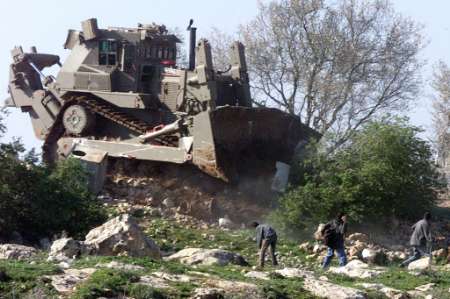
According to field investigations by Al Mezan, at approximately 3.30am on Wednesday 3 October 2007, five Israeli tanks and an armored bulldozer penetrated the Sufa Crossing area, through the borderline east of Khan Younis town. IOF soldiers broke into homes as the bulldozer razed agricultural lands in the area. Moreover, the IOF opened fire arbitrarily, killing 22-year-old Said Al Amour. The victim died from a live bullet to his head at approximately 9.10am. IOF have still been in the area at the time of issuing the press release.

Earlier at approximately 1am, an Israeli warplane fired a missile at a crowd near Khaled Ibn Al Waleed Mosque, in As-Slam neighborhood in Rafah town. The attack resulted in killing 25-year-old Muhammad Bassam Hassan, who died an hour after being admitted in Abou Yousif An-Najjar Hospital, from critical wounds in the head. 25-yaer-old Muhammad Juma'a Abu Sha'ar was also wounded in this raid. Medical sources have reported his injuries as moderate.

On 2 October 2007, and for the second time, IOF opened fire from Erez Creossing at a crowd of people who gathered around Erez to receive the prisoners who were released from Israeli prisons. At approximately 12.30am, the journalist Muhammad Jadullah Salem was wounded from a live bullet to his left leg. Salem was covering the events and was shot when the prisoners' families approached the checkpoint gate when they saw the released prisoners.

The families had waited at Erez Crossing the day before, but the IOF delayed the release of the prisoners. At approximately 1.30pm on Monday 1 October 2007, 4-year-old Ibrahim Muhammad Al Madhon was shot in the left arm by the IOF while he was waiting with his family at the Crossing before Israel's announcement that the release was postponed till the next day.

This escalation comes as IOF expanded the tight closure on the Gaza Strip, where the civilian population has been deprived of their right to free movement. About 1000 Palestinians have been stranded at the Egyptian side of the Rafah Crossing since June 2007. At the same time there have been about 5000 Gazans who have not been allowed to leave the Gaza strip for health, education, employment and other urgent reasons.

Gazans' suffering has been aggravated by the limitation of the goods that are allowed to flow into the Gaza Strip to basic food stuffs and humanitarian aid. Many basic goods have started to run out from the markets and their prices have seriously increased. This includes meats, canned food and clothes. This has added to the already devastating humanitarian and economic crisis.

Al Mezan Center for Human Rights strongly condemns the acts of killing and the excessive, indiscriminate use of force by IOF. The Center also condemns the escalation of collective punishment by the IOF against Gazans. The Center asserts that such illegal conducts by IOF represent serious and systematic violations of the International Humanitarian Law, particularly, the Fourth Geneva Convention Relative to the Protection of Civilian Persons in Time of War (FGC). Al mezan therefore calls on the High Contracting Parties to the Convention to intervene immediately and ensure Israel's compliance by its provisions under all circumstances.

Al Mezan renews its calls to the international community to intervene to stop the Israeli conducts and provide international protection for civilians in the Occupied Palestinian Territories (OPT), and to prevent the employment of collective punishment and other breaches of international law.

Gaza: Abduction and Torture of PFLP Activist, Injury of a Woman and her Son; beating of a number of individuals by the police

Gaza. 02/10/07


PCHR strongly condemns the abduction and torture of Issa Hammad, and:

- Affirms that these illegal actions are a continuation of the security chaos plaguing the OPT.

- Calls upon the dismissed government to investigate the attacks and prosecute the perpetrators.

- Reminds that torture is outlawed by Palestinian Law, and does not fall by seniority; and that torture is a serious violation of human rights and international human rights standards, including the UN Convention against Torture.

- Condemns the continued role of El-Qassam Battalions in carrying out illegal arrests. The Centre calls for an immediate stoppage to these acts and for closing all Battalions’ detention centers. The Centre affirms that the Battalions are not a law-enforcement agency; and is not authorized to deal in civilian matters.

- Affirms that arrests are regulated by Palestinian Law and are the authority of law-enforcement parties, represented by the civilian police under orders and supervision of the Attorney-General.


PCHR Calls for Investigating the Attacks in Khan Yunis Refugee Camp and Rafah’s El-Najjar Hospital

GAZA 01.10.07. PCHR calls for investigating the events in Khan Yunis refugee camp and Mohammad Yusef El-Najjar Hospital in Rafah several days ago, which included attacks by the Executive Force and Izzedeen El-Qassam Battalions on civilians, leading to the injury of several people, 2 of them seriously. The Centre calls upon the dismissed government in Gaza to take the necessary steps to respect human rights during security and law-enforcement operations.

The Center’s preliminary investigation indicates that at approximately 19:00 on Saturday, 29 September 2007, a fistfight broke out between Fatah and Hamas supporters in Omar Bin El-Khattab Mosque in Khan Yunis. Fatah supporters in the mosque rejected the new preacher in the mosque, whom they viewed as a Hamas man, who was appointed by the Ministry of Waqf. The Executive Force and Izzedeen El-Qassam Battalions intervened to break up the fight. Several people threw rocks at them.

In a related development, a fight broke out between Fatah and Hamas supporters in the Abu Hatab clan. Two Hamas supporters suffered wounds. Abd El-Karim Abu Hatab (39) was stabbed; and the second was hit on the head with an iron bar. As a result, the Executive Force raided 4 houses, including the house belonging to Yusef Mohammad Abu Hatab to arrest his 4 sons. The Force fired inside the house and injured his daughter Hind (20) with a superficial wound to the head and his daughter Fatima (18) with shrapnel to the chest and right arm.

An argument broke out between neighbors and the Force members in the area. The argument escalated into a fistfight. The Force used gunfire and injured Khaled Mohy El-Deen Abu Znad (37) with a bullet in the chest. He was taken to Naser Hospital for treatment, where his injury was listed as serious. A second person, Jamil Wad’i El-Attili (32), was injured by shrapnel in the right hand.

Four members of the Force were injured by stones. And the Force beat another 5 civilians with sticks, including a woman who was taking pictures with her mobile phone. Maysoon Hussein Abu Rok’a (34) informed PCHR’s fieldworker that the Force attacked her with sticks. One of them pulled her hair and threw her against the wall for taking pictures of the Force attacks.

The Force and El-Qassam Battalions arrested several people and took them to compounds in Khan Yunis. They were later released. Some of the detainees stated that they were beaten and tortured during detention. Ahmad Khader Mohammad El-Salmi (20) stated that Force and Battalions members, some of them masked, detained him and took him to the Battalions compound west of Khan Yunis, where he was interrogated. He was tied to a chair and beaten by gun butts during interrogation.

And in Rafah, PCHR’s preliminary investigation indicates that at approximately 23:00 on Thursday, 27 September 2007, unknown assailants threw a hand grenade at a Hamas commander in Rafah: Raja’e Ahmad Hussein (42). At the time, he was sitting in front of his house with his brother Mohmoud (33) and friend Mahmoud (34). The trio suffered moderate injuries by the attack. The Criminal Investigations Department in the Police stated that 2 suspects have been detained in relation to the attack.

After half an hour, an argument broke out between members of the Hussein family, who came to visit their injured relatives, and members of the Executive Force who attempted to evacuate them from the emergency ward in the hospital. During the argument, one Hussein clan member stole weapon of a Force member and hid inside the hospital with his relatives. As a result, the Force fired teargas inside the emergency ward and severely beat 7 members of the Hussein clan. In addition, they fired at Mousa Sabri Hussein (23) who is charged with stealing the weapon. They took him out of the room, beat him severely, and shot him in the left leg. The nurse Ayman El-Hissi (23) was beaten with sticks on his back as he tried with colleagues to prevent the Force members from beating the injured young man, who was transferred to the European Hospital due to the severity of his injury.

In light of these attacks, PCHR:

  1. Calls upon the dismissed government to investigate the attacks and prosecute the perpetrators.
  2. Calls upon the Executive Force to show restraint and to respect the law to ensure respect of international human rights standards and the safety of civilians.
  3. Condemns the continued role of El-Qassam Battalions in carrying out illegal arrests. The Centre calls for an immediate stoppage to these acts and for closing all Battalions’ detention centers. The Centre affirms that the Battalions are not a law-enforcement agency; and is not authorized to deal in civilian matters.


Public Document

**************************************

For more information please call PCHR office in Gaza, Gaza Strip, on +972 8 2824776 - 2825893

PCHR, 29 Omer El Mukhtar St., El Remal, PO Box 1328 Gaza, Gaza Strip. E-mail: pchr@pchrgaza.org, Webpage http://www.pchrgaza.org

-----------------------------------

martedì 2 ottobre 2007

Israël construit une nouvelle route pour pérenniser les colonies proches d'Hébron

P. S. P., Le Figaro, 01/10/07. Bien qu'il s'oppose officiellement à l'éclosion de nouvelles colonies en Cisjordanie, le gouvernement israélien poursuit discrètement sa politique de faits accomplis. Répondant à une requête des colons, Israël a ainsi décidé de dévier une portion de 8 kilomètres de la route 60, qui dessert à la fois colonies israéliennes et villages palestiniens dans le sud de la Cisjordanie. Le nouveau tracé permettra aux colons juifs d'accéder à la région d'Hébron depuis Jérusalem, en contournant le camp de réfugiés palestiniens d'al-Aroub, ainsi que plusieurs villages palestiniens, qui se retrouveront isolés.
Le projet aura pour effet de faciliter l'accès aux colonies proches d'Hébron pérennisant ainsi leur rattachement au bloc de colonies du Goush Etzion. L'accès à la route leur étant devenu inaccessible, les Palestiniens des villages avoisinants devront emprunter une route secondaire. « Cela nous obligera à faire un détour de 15 kilomètres, pour aller à Jérusalem », s'emporte Saïd Madhieh, un enseignant retraité habitant le village de Halhoul.
Selon les calculs de l'ONU, la construction de la route entraînera aussi la confiscation de 326 ha de terres agricoles palestiniennes. Le village de Halhoul sera coupé de 1 500 ha de vergers. La route traversera aussi un cimetière musulman adjacent au camp d'al-Aroub, risquant de provoquer des protestations.
forums Réagir dans le forum

Les extrémistes juifs veulent de nouvelles colonies

PATRICK SAINT-PAUL envoyé spécial à Efrat, Le Figaro, 01710707. POSTÉ devant une barrière jaune, qui barre la route, un groupe de soldats israéliens interdit l'accès à la colline 1 013. « Ceci est une zone militaire fermée », lancent-ils à travers leurs mégaphones, sans conviction. Il en faudrait davantage pour décourager les centaines d'Israéliens, qui ont décidé d'ériger une nouvelle colonie au sommet de la colline, face au village palestinien de Halhoul, dans le sud de la Cisjordanie. Des organisations d'extrême droite ont lancé hier une offensive concertée pour créer quatre nouvelles colonies en Cisjordanie, espérant ainsi accentuer leur mainmise sur ce territoire occupé par Israël depuis 1967.
Drapeaux orange et bouteilles d'eau
Voitures et autocars déchargent leurs passagers au pied de la colline 1013, sous le regard médusé de quelques Palestiniens ayant osé venir assister à l'événement. Équipés de leurs « lulav », des feuilles de palmier utilisées pour construire des cabanes à l'occasion de la fête juive de Soukkot (« Tabernacles »), les colons contournent les militaires et gravissent la colline. Certains sont armés de leurs fusils d'assaut M 16, pour se protéger contre d'improbables attaques palestiniennes. Arrivés au sommet, ils construisent des synagogues improvisées avec des pierres et des cabanes de Soukkot, avant de prier et de lire des passages de la Torah.
Inquiet de la timide reprise des négociations de paix entre le premier ministre israélien, Ehoud Olmert, et le président palestinien, Mahmoud Abbas, les colons ont décidé de relancer la construction de colonies, pour empêcher des évacuations de Territoires occupés qui accompagneraient la création d'un État palestinien. « Oslo a été une catastrophe, affirme Nathan Shwartz, un colon religieux venu de l'implantation de Karme Tzur. Olmert est prêt à diviser Eretz Israël (le Grand Israël de la Bible). Il est prêt à diviser Jérusalem. Si nous laissons faire cela, les terroristes du Hamas s'empareront de Jérusalem et s'y installeront avec leurs roquettes Qassam. Nous devons les empêcher. C'est une question de vie ou de mort pour nous. »
Des camionnettes équipées de haut-parleurs et de drapeaux orange, la couleur des colons évacués de la bande de Gaza en 2005, sillonnent les routes. « Montez partout. Cette terre est à nous. Des milliers de gens sont avec nous, venus des quatre coins du pays, pour défendre leur patrie, Eretz Israël », lancent les haut-parleurs entre deux chansons populaires. Dans la colonie d'Efrat, les quelque 600 militants qui ont lancé l'assaut de la colline de Givat Ha Eitam sont emmenés par Nadia Mattar, l'égérie du mouvement antiretrait de la bande de Gaza, et par Itamar Ben Gvir, l'un des chefs du mouvement des colons d'extrême droite, déjà incarcéré à plusieurs reprises. Équipés de drapeaux orange et de bouteilles d'eau, les jeunes colons ont l'intention de camper sur place.
Les habitants d'Efrat espèrent pouvoir mettre la main sur la colline de Ha Eitam, que le tracé de la barrière de séparation israélienne a placé du côté palestinien, pour s'agrandir. « Nous avons besoin de cette colline pour notre expansion naturelle, explique le rabbin Ryskin d'Efrat. Nous combattons les fondamentalistes palestiniens. » Où les Palestiniens établiront-ils leur État, si les colonies s'étendent sans limites ? « Là où nous ne sommes pas. Il leur restera bien assez de place », juge le rabbin.
Les colons s'attendent à être délogés sous le couvert de la nuit par l'armée de ces implantations, qui sont illégales même au regard du droit israélien. Pourtant, les organisateurs considèrent leur opération comme un succès. « C'est un message pour le peuple, visant à contrer la politique destructrice du gouvernement. Des milliers de personnes l'ont entendu », se réjouit Datya Itzhaki, l'une des dirigeantes du mouvement, évacuée de Gaza en 2005.