Translated by Manar Jibrin-IMEMC News
Visualizzazione post con etichetta Gaza children. Mostra tutti i post
Visualizzazione post con etichetta Gaza children. Mostra tutti i post
mercoledì 28 novembre 2007
UN Director of operations: UNRWA cannot feed 200,000 Palestinian children in its schools
IManar Jibrin manarjibrin at gmail dot com - IMEMC & Agencies, 27.11.07. In a message delivered Tuesday to members of the British Parliament in the UK daily the Independent, John Jeng, Director of operations for UNRWA, called on members of the British Parliament to "use their influence to bring an end to the sanctions imposed on the Gaza Strip." Jeng branded the sanctions as "harsh penalties" and criticized the Israeli cabinet for declaring the region a "hostile entity," adding that the reduction of fuel and electricty to the coastal region had had a grave impact on the medical sector, in addition to destroying the economy and disabling sanitation networks in population centres. The Director added that the sanctions were doomed to fail in their stated objective, adding that UNRWA did not have sufficient food supplies to cover the 200,000 Palestinian children who attend UNRWA schools in the Gaza Strip.


sabato 29 settembre 2007
La guerra ai bambini di Gaza
ariannaeditrice.it, 28/09/07. Originale da: Los Angeles Times Come conseguenza delle sanzioni israeliane, una intera generazione di Palestinesi di Gaza sta venendo su in maniera distorta: fisicamente e nutrizionalmente distorta perché non c'è abbastanza da mangiare; emozionalmente distorta per la pressione rappresentata dal vivere in una prigione virtuale affrontando continuamente la minaccia di essere distrutti o cacciati via; intellettualmente e accademicamente perché non riescono a concentrarsi -- o, nel caso che ci riescano perché stanno cercando di studiare in circostanze che nessun bambino dovrebbe conoscere. Anche prima che Israele questa settimana dichiarasse Gaza "territorio ostile" -- evidentemente per preparare il terreno al taglio delle ultime forniture di combustibile o elettricità per un milione e mezzo di uomini, donne e bambini -- la situazione era terribile. Un numero crescente di famiglie palestinesi a Gaza non sono in grado di fornire ai propri bambini che un solo e povero pasto al giorno, per lo più riso e lenticchie bollite. Frutta fresca e verdure sono fuori dalla portata di molte famiglie. Carne e pollame sono carissimi. Gaza si affaccia sulle ricche acque del mediterraneo, ma il pesce è inesistente nei suoi mercati per le limitazioni poste dalla marina israeliana ai movimenti dei pescatori. "L'idea", dice Dov Weisglass, un consigliere del governo israeliano, "è mettere i Palestinesi a dieta, ma non farli morire di fame".
|
Tradotto da Gianluca Bifolchi
Originale da: Los Angeles Times
Articolo originale pubblicato il 22 settembre 2007
Saree Makdisi is a professor of English literature at UCLA and the author of "Palestine Inside Out: An Everyday Occupation," forthcoming from Norton.
Gianluca Bifolchi è membro di Tlaxcala, la rete di traduttori per la diversità linguística. Questo articolo è liberamente riproducibile, a condizione di rispettarne l'integrità e di menzionarne autori, traduttori, revisori e la fonte.
URL di questo articolo su Tlaxcala: http://www.tlaxcala.es/pp.asp?reference=3768&lg=it
Tante altre notizie su www.ariannaeditrice.it
mercoledì 29 agosto 2007
Help for Life Makers Center
Fida Qishta Fida_Qishta@yahoo.com, Laila El-Haddad Laila.Elhaddad@gmail.com
We are life makers in Palestine , Gaza strip , Rafah city .
As part of our work we started the Life Makers Center for children, which tries to provide an oasis of peace in a particularly devastated and impoverished area. We currently receive more than 250 children. We started with 40 children, three times a week , for three a hours after school. If we have more recourses we would accommodate more children and this is a long - term aim of ours.
Our main objective is to give children a safe place to play, to educate and help children overcome trauma .
At the center, we started with 40 children, that was in 2004 , but now in 2006 our projects received more than 300 kids .
At the center volunteers from Rafah, Gaza strip (students or postgraduates ) teach and play with the children aged between 7 and 17. Generally , we divide our three hours sessions into three parts – an hour of English lessons , an hour of playing, singing and dancing , and an hour of discussing the children's' lives and problems.
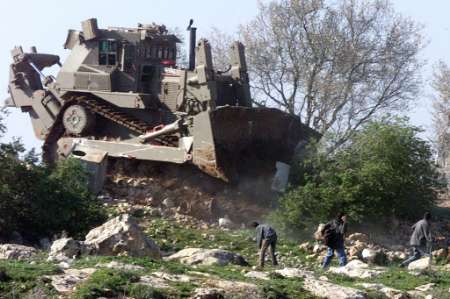
Most of these children come from the Hay salam and El Brazil border area . The majority have had their homes bulldozed and now live with relatives . Their families are too poor to move further away from the border area. Many of the children have witnessed violence first hand. Some have seen relatives killed, their homes demolished, or have been injured themselves.
We provide activities for children, for example handicraft, painting, reading, English lessons, games and tours .
Our team is not psychologists but it is clear to us that the children from the border are deeply traumatized after years of conflict . Our dearest wish is to help these children to the best of our ability , welcome any professional training to help us do a better job in helping the children to deal with sadness, anger, depression and fear.
For now, we do our best by giving them attention, affection and security. Our biggest objective is to create a bit of normality for these children - where they can come and play in a supervised, safe area, with their parents approval, and forget for a while the tanks , bulldozers and soldiers they can see from their homes.
At mainstream school , they find it hard to concentrate because their minds are on what's happening outside and learning is not their priority . The children like the center because there is no pressure, no exams and its fun atmosphere.
We are officially open 7 hours a day , and most of the kids turn up every day and we never turn them away . We would like to extend our centre to help other children especially younger ones. However , to date we haven’t been able to afford that expansion .
We charge 5 shekels (1$us ) a month for the children to attend our centre. However, many of the parents can't afford this so we group members have to use our personal earnings to keep the centre open.
We thank all people who understand our mission
sabato 4 agosto 2007
Gazawis Don't Float

Andrew Lee Butters , TIME, 2/08/07. Wat would you do if you lived on a sandy slice of the Mediterranean shoreline that was under an international siege that made it next to impossible to have a normal productive life? Well, If you're like many Gazawis*, you'd hit the beach.
Every evening, the beaches of Gaza are packed with people. On Thursday, the crowds last well into the night, since for those lucky enough to have a job, Friday is their only day off. And yet it doesn't take long to realize that something's not right, and I'm not talking about the floating garbage, the occasional whiff of sewage, or the Israeli spy drone shining in the distance like a lost planet. Gazawis aren't very good swimmers.
Crowds of young men wading in the surf treated me like a visiting Olympian because I wore goggles and could sustain freestyle strokes for more than 5 minutes. And when I swam a couple yards underwater without coming up for air, they were even more impressed. "Do it again!" they shouted.
Swimming classes are turning out to be the most popular activity at a United Nations program this summer for 182,000 Gazawi children. (The UN is making a big point of calling this "Summer Games" rather than summer camps, because for Palestinian kids, a camp is either as an urban ghetto for refugees or a place where fanatics hit you with a stick.) Sixty thousand children signed up for swim classes, far more than the program could handle. Between the years of war, crime, fighting, and the general lack of instructors or resources for kids, perhaps it shouldn't have been surprising to me that almost none of them had ever been swimming before. Though Gaza's future, and the future of these children, still looks bleak, at least it's now safe enough at the beach that all they have to worry about is floating.
* Comment Posted by Jewdy of Jasper August 3, 2007:
"In the English language , I believe we call the citizens of that sandy Strip "Gazans". What is your point? Your usage sounds decidedly odd. Does Time refer to Italianos instead of Italians?"
Iscriviti a:
Post (Atom)