Visualizzazione post con etichetta Desmond Tutu. Mostra tutti i post

sabato 27 ottobre 2007

Realizing God's dream for the Holy Land


February, 1986. At the height of the anti-apartheid struggle, Archbishop Tutu addresses a mass meeting in Alexander Township, South Africa.
(© David Turnley/CORBIS)


Desmond Tutu, boston.com, 26.10.07. What do I see and hear in the Holy Land? Some people cannot move freely from one place to another. A wall separates them from their families and from their incomes. They cannot tend to their gardens at home or to their lessons at school. They are arbitrarily demeaned at checkpoints and unnecessarily beleaguered by capricious applications of bureaucratic red tape. I grieve for the damage being done daily to people's souls and bodies. I have to tell the truth: I am reminded of the yoke of oppression that was once our burden in South Africa.

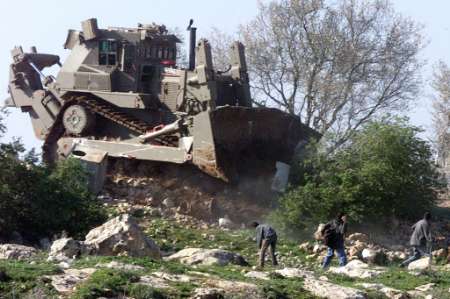
I see and hear that ancient olive trees are uprooted. Flocks are cut off from their pastures and shepherds. The homes of some people are bulldozed even as new homes for others are illegally constructed on other people's land. I grieve for the land that suffers such violence, the marring of its beauty, the loss of its comforts, the despoiling of its yield. I have to tell the truth: I am reminded of the bitter days of uprooting and despoiling in my own country.

I see and hear that young people believe that it is heroic and pious to kill others by killing themselves. They strap bombs to their torsos to achieve liberation. They do not know that liberation achieved by brutality will defraud in the end. I grieve the waste of their lives and of the lives they take, the loss of personal and communal security they cause, and the lust for revenge that follows their crimes, crowding out all reason and restraint. I have to tell the truth: I am reminded of the explosive anger that inflamed South Africa, too.

Some people are enraged by comparisons between the Israeli/Palestinian conflict and what happened in South Africa. There are differences between the two situations, but a comparison need not be exact in every feature to yield clarity about what is going on. Moreover, for those of us who lived through the dehumanizing horrors of the apartheid era, the comparison seems not only apt, it is also necessary. It is necessary if we are to persevere in our hope that things can change.

lunedì 16 luglio 2007

Sudafrica: la seconda giovinezza di Nelson Mandela


joshua.massarenti. Panorama.it. 16/07/07.


Non gli sono bastati 27 anni trascorsi dietro le sbarre di un carcere di massima sicurezza, otto passati alla guida dello Stato del Sudafrica e chissà quanti altri sforzi e sacrifici spesi nella lotta contro il regime dell’apartheid. Chiunque al suo posto non avrebbe esitato a salutare amici (tanti, tantissimi) e nemici per godersi i fasti di una meritatissima pensione politica. Così fu nel 2004 quando l’ex presidente sudafricano e Premio Nobel per la pace, Nelson Rolihlahla Mandela annunciò il suo ritiro dalla vita pubblica, dopo aver guidato il suo paese in un delicatissimo processo di riconciliazione nazionale.

Sono passati tre anni, colmi di ricordi e di onorificenze. L’ultima in ordine di cronaca chiama in causa le stelle del calcio internazionale (Pelé, Gullit, Weah, Eto’o…), protagoniste di una partita di gala prevista a Città del Capo il 18 luglio prossimo per festeggiare gli 89 anni di una vera e propria “leggenda vivente”. Nonno Mandela ringrazia tutti cogliendo l’occasione per prendere ancora una volta il mondo in contropiede: l’ex detenuto più illustre del mondo annuncerà nel giorno del suo 89mo compleanno la nascita di un gruppo di riflessione di altissimo profilo internazionale per proporre soluzioni innovative alle più gravi crisi politiche e umanitarie del pianeta. Su pressioni del magnate Sir Richard Branson e del musicista Peter Gabriel, il leader sudafricano ha deciso di mettere a frutto il suo carisma per interpellare amici di vecchia data - Bill Clinton, Jimmy Carter, Mary Robinson, Desmond Tutu, Muhammad Yunus e Kofi Annan - e costituire un gruppo di saggi in grado di orientare le decisioni dell’attuale leadership mondiale.

Leggi il profilo di Mandela sul Time Magazine e sulla Bbc

Il sito della Mandela Foudation

Su You Tube, la prima intervista televisiva di Mandela (21 maggio 1961)

http://blog.panorama.it/mondo/2007/07/16/sudafrica-la-seconda-giovinezza-di-nelson-mandela/